Pick your region to see distances.Pick your region — and every listing will show how far it is.
Buying a batch, not one head
8 listings
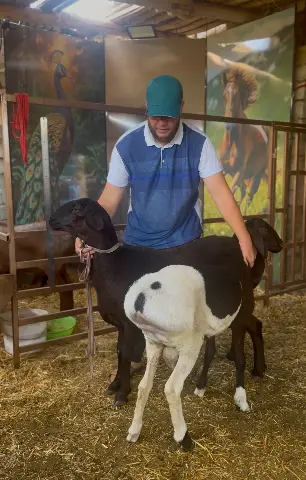
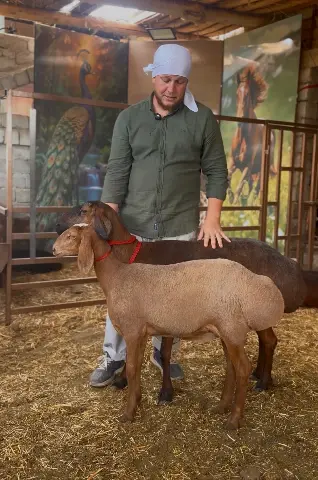
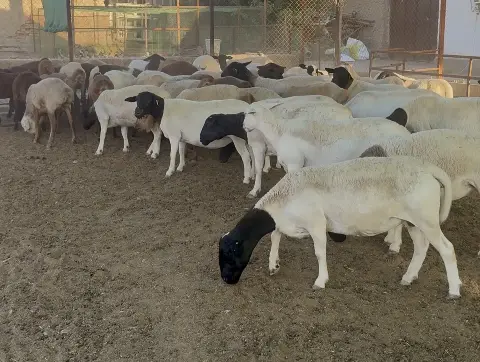
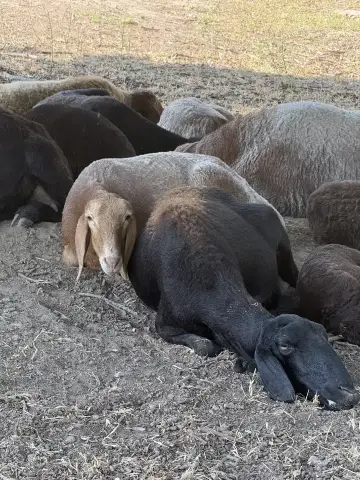
About this section
A batch is a different purchase from a single ram for a family table. Price per head matters, but evenness matters more: animals close in weight and age keep handover from turning into an argument. Filter by region and breed, because every extra hundred kilometres shows up in the freight bill. Watch for owners who post several similar listings at once, since that is usually a farm rather than a one-off sale. Auctions offer whole lots, and a wanted request lets farms come to you.
How many head count as bulk?
There is no fixed line. For a smallholding five head is a batch; for a large farm it starts in the hundreds. Listings on the shelf usually describe one animal, so ignore the word bulk and look at the seller: how many near-identical listings they run, and what they answer when asked plainly how many head they can release in one deal.
How do I find a farm with stock?
Start with the filters for region, breed, weight and age, and keep the results inside one district, because a batch gathered from neighbours travels better than one collected across the country. Then open a single seller's other listings: a run of similar animals points to a working farm. Auctions are the second route, where a lot goes up whole, and a wanted request is the third.
How is a price for a lot agreed?
Count the whole consignment delivered, not the headline per head. Ask the average weight of the group and the spread around it, because an even lot is worth more than a mixed one. All of it happens in the chat, opened by Message the seller, since no listing shows a phone number. Put what you agree in plain words, so neither side is later working from memory.
Who arranges transport for a batch?
Whatever the two of you decide. Sometimes the farm delivers, sometimes the buyer hires a truck, sometimes the cost is split. Delivery can be arranged through the marketplace, but settle it before the deal rather than at the loading ramp. Price the road: distance adds up, and animals need rest and water on the way. A cheap lot a thousand kilometres away often costs more than a dearer neighbour.
What should I check on handover?
Count the heads, then look at each animal one by one. Watch the gait, the breathing, the eyes, the wool around the tail. Weigh them if the deal was struck by weight. Nobody checks the batch for you: the marketplace inspects no animals, holds no money and offers no refund, and the vet passport mark is set by the seller, so ask for the papers on the spot.
Can a batch be assembled to order?
Yes. If the breed or weight you need is not on the shelf, post a wanted request describing the animals, the number of head and the destination. Animals can also be ordered through the bot, choosing a breed from the reference list: Gissar, Edilbay, Jaydara, Arashan, Karakul, Romanov, Sarajin, Dorper or Merino. Neither is instant; gathering an even group takes time.
Can I take the animals abroad?
That side is entirely yours. QoyHunter lists animals inside Uzbekistan and issues no export paperwork, no veterinary certificates and no customs documents; it makes no promise that a batch can cross a border at all. Permits, health certification and the rules of the receiving country are for you and your broker to arrange. Confirm what is possible before you commit money to a lot.