Pick your region to see distances.Pick your region — and every listing will show how far it is.
About this section
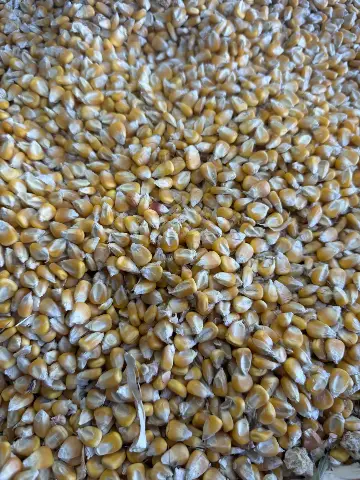
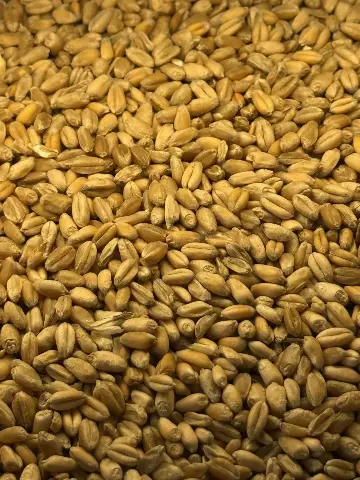
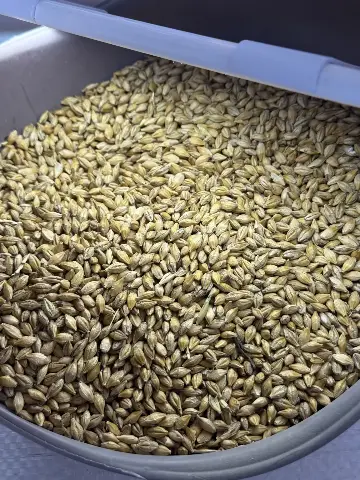
Fodder grain: barley, maize, wheat, oats, sorghum, peas and pulses, plus bran. A card shows the crop, the processing, whole, cracked, rolled or sprouted, and the harvest year, while packing runs from bags to loose bulk and lots are counted in tonnes. Comparison goes by tonne, yet dryness counts as much: damp grain heats in the bag and turns mouldy, and admixture cuts the real energy value. The harvest year says how long the crop has been stored, not how good it is, and older stock needs checking for weevil.
Cracked grain or whole grain?
Sheep and goats chew barley well enough to take it whole. For cattle, horses and poultry it is cracked or rolled, otherwise part of it passes undigested. A very fine grind harms every species through dust and fast rumen acidification.
How much grain can a sheep get?
Grain supplements roughage, it is not the ration itself, so it is given in a limited amount split over two feedings. Overloading with concentrates causes acidosis, and in ram lambs urinary stones as well.
What is bran and why buy it?
It is the seed coat left over when flour is milled. Bran is rich in phosphorus and fibre, costs less than grain and mixes well into wet rations, but stock cannot be kept on bran alone.
How do you check grain before buying?
Take a handful: it should be dry and free running, with no musty smell, no rubbish and no sign of weevil. Grain that feels warm inside the bag is already heating and will not keep.