Pick your region to see distances.Pick your region — and every listing will show how far it is.
About this section
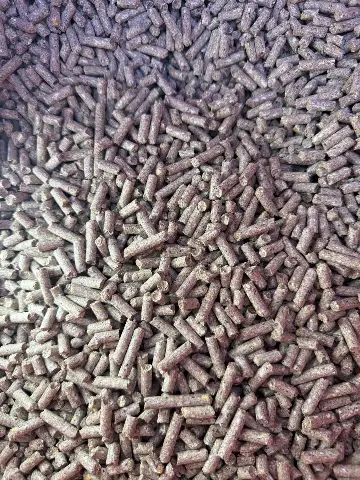
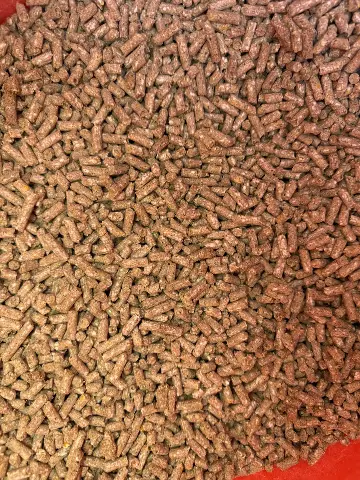
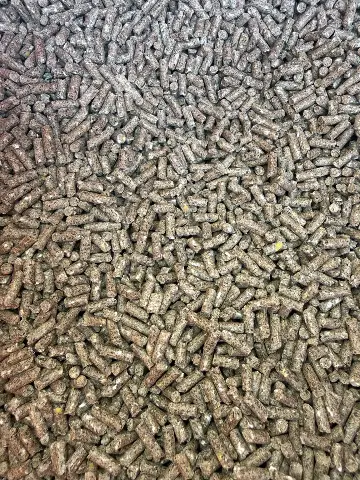
Compound feed sold in factory sacks and loose from a depot, made up for sheep, goats, cattle, poultry and rabbits. Sellers state three things that decide the choice: which species the mix is meant for, which stage it covers, from starter for young stock through growing, finishing, dairy cows, breeding ewes and layers, and how much protein it holds. The same three sit in the filters, so an 18 percent finishing ration is two taps away. Sack weight matters for working out the cost per kilogram, since a sack may hold 25 or 50 kg.
What does the protein percent mean?
It is the share of crude protein in a kilogram of feed. Young and lactating stock need a richer mix, adults on maintenance need less. Comparing two sacks without it is pointless, because the cheap one can cost more per unit of protein.
How does starter differ from finishing feed?
Starter is built for growing young stock: more protein, a finer grind and easier digestion. Finishing feed is cheaper and more energy dense, and its job is to put on weight before sale.
How do you move a flock onto compound feed?
Gradually, over 10 to 14 days, raising the dose step by step. A sudden switch to concentrates gives ruminants rumen acidosis: the animal goes off feed and loses condition faster than it gained it.
Can one mix be fed to every species?
No. Poultry, pigs and ruminants have different requirements, and sheep are sensitive to copper, so a mix that is safe for cattle builds up in the liver of a sheep.