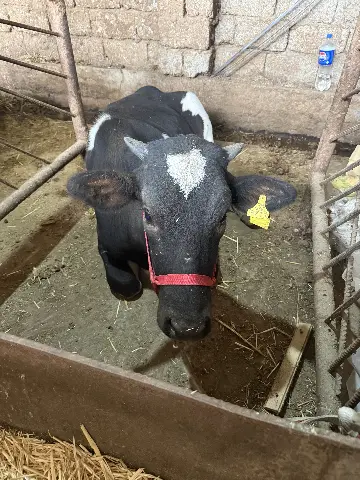
Good Black-and-White heifer (hunajin) for sale, 1.5 years oldBlack-and-White · Male · 18 mo
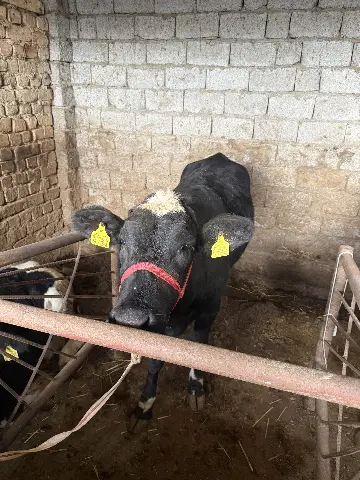
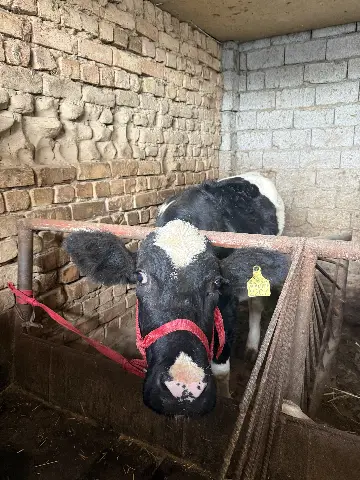
Bull calves for fattening, heifers, in-calf heifers and milking cows, put up by farms and by families who keep a couple of head. An advert states age, live weight, sex and purpose, whether breeding or commercial, while pregnancy, lactation number and daily yield are questions for the owner. The weight and age sliders separate a milk-fed calf from a finished bull, and sorting by heaviest first lifts the ones ready for sale. Name your own province and each card shows the distance, so a half-day drive is easy to tell from an hour.
A heifer is a young female that has not calved yet; an in-calf heifer is the same animal already carrying. The in-calf one costs more, because the buyer gets a known calving date instead of a hope of a future mating.
The udder, soft and even across the quarters with no lumps; the teeth, which show the age; and which lactation she is in. Ask to watch her being milked, and ask whether she is carrying a calf.
About 2.5 to 3 per cent of live weight a day as dry matter: for a bull of 300 kg that means 8 to 9 kg of dry feed, part of it roughage and part concentrates.
Moving animals between districts and provinces is handled through the state veterinary service where the animal is kept. It is settled before loading, so raise the question of papers with the seller in advance.