Pick your region to see distances.Pick your region — and every listing will show how far it is.
Agrochemicals for fodder
1 listingAbout this section
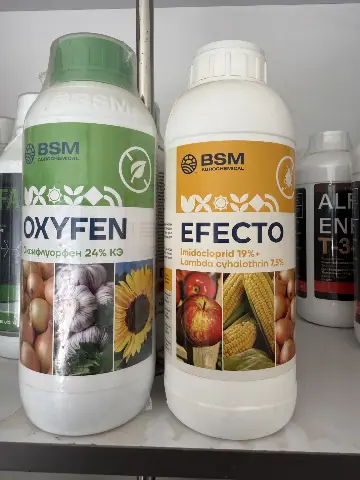
A section for those who grow fodder instead of buying it: seed of lucerne, sainfoin, sudan grass, maize and barley, fertiliser, herbicides and seed dressings, silage preservatives and inoculants. The listing names what exactly is on offer, the crop it is meant for and the weight of the pack; the filters carry the same fields, so seed for lucerne separates at once from a herbicide for maize. Check application rate, timing and method against the instructions and ask the seller about them, because they depend on crop, growth stage and soil. Ready made hay and grain sit in the neighbouring feed branch.
How long does lucerne last in one field?
Three to five years as a rule, after which the stand thins and yield drops. Several cuts come off it in a season, which is why lucerne remains the backbone of the fodder base.
When should lucerne be cut for hay?
At the start of flowering. Cut earlier and there is more protein but less bulk; cut later and the stem turns coarse and the leaf is gone. Leaf carries most of the feed value, and it drops first when the crop is overdried.
Why add a silage preservative?
It speeds up acidification and holds back unwanted fermentation, so the clamp heats less and keeps better once opened. On a tightly packed trench the gain is smaller, on a loose one it is larger.
What is a seed dressing?
A product applied to seed before drilling, against fungal disease and pests of the young crop. It goes on the seed and not on the field, and the rate is worked out per tonne of sowing material.